15,000 people follow Farina on Instagram. Almost 6,000 of them started this year.
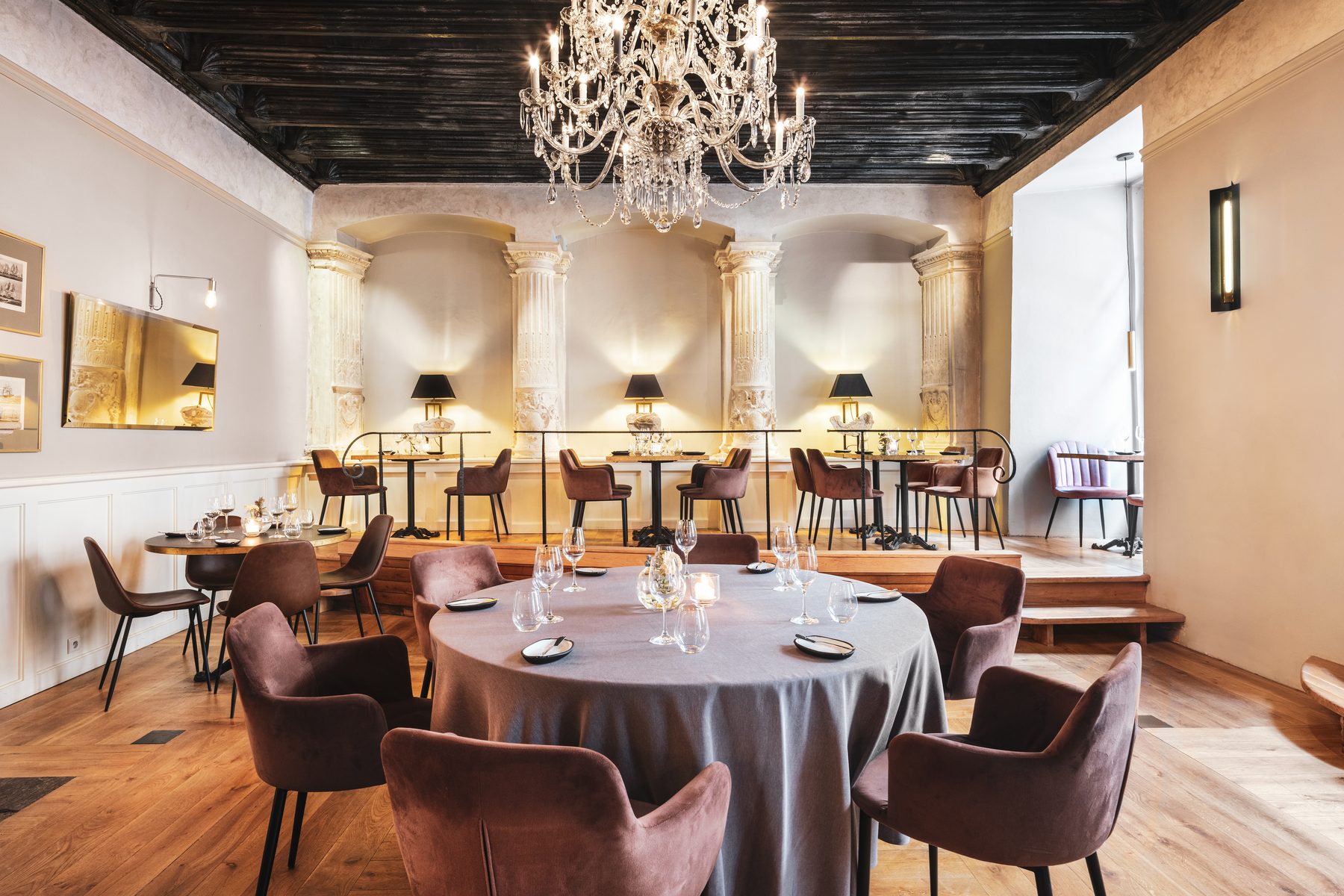
Farina is a chef-led fish restaurant in Kraków’s Old Town, in the Michelin Guide for 20+ years. I run its social media: the plan, the shoots, the captions, the posting and the ads.
See the feed: @farina_restaurant on Instagram ↗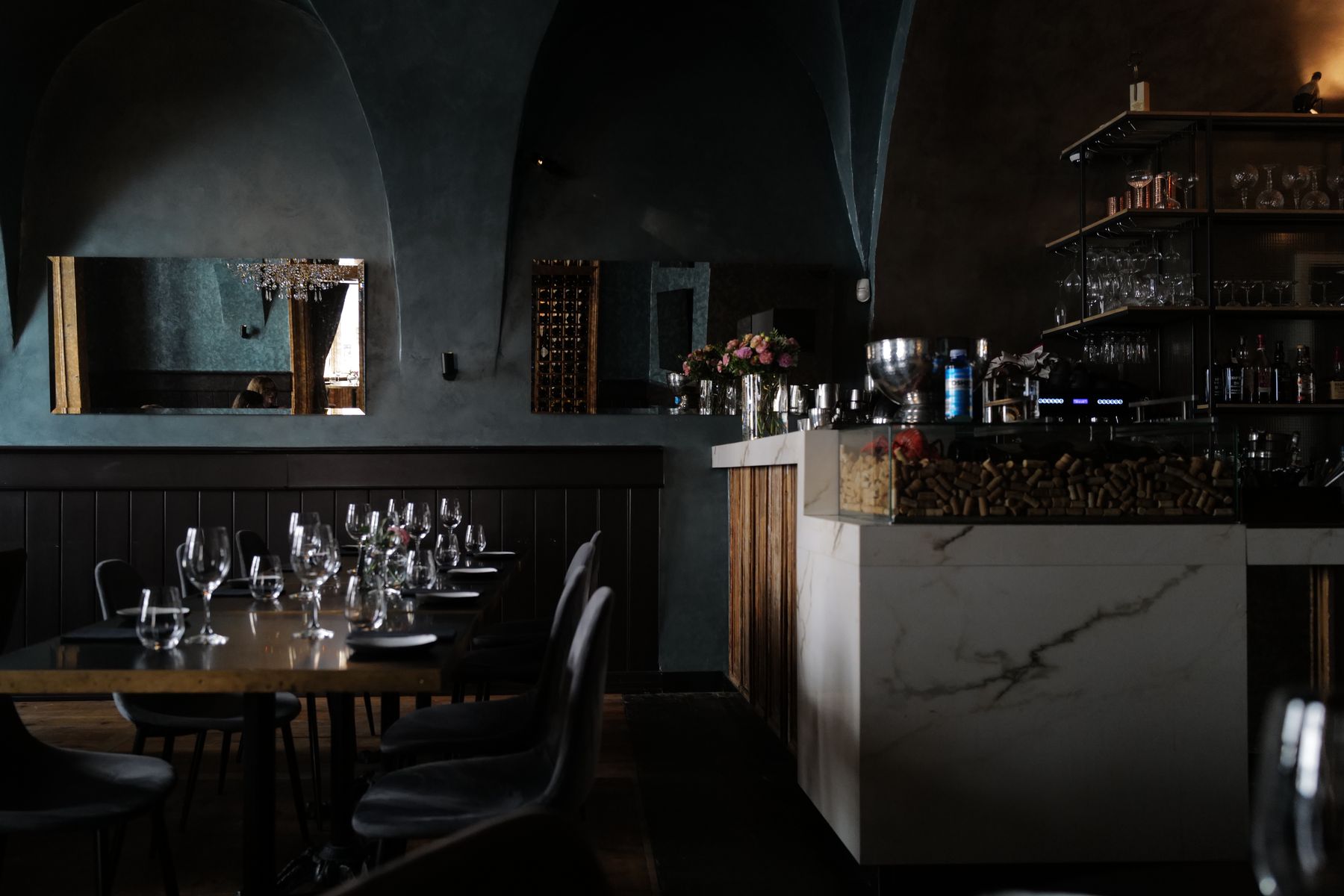
- The restaurant
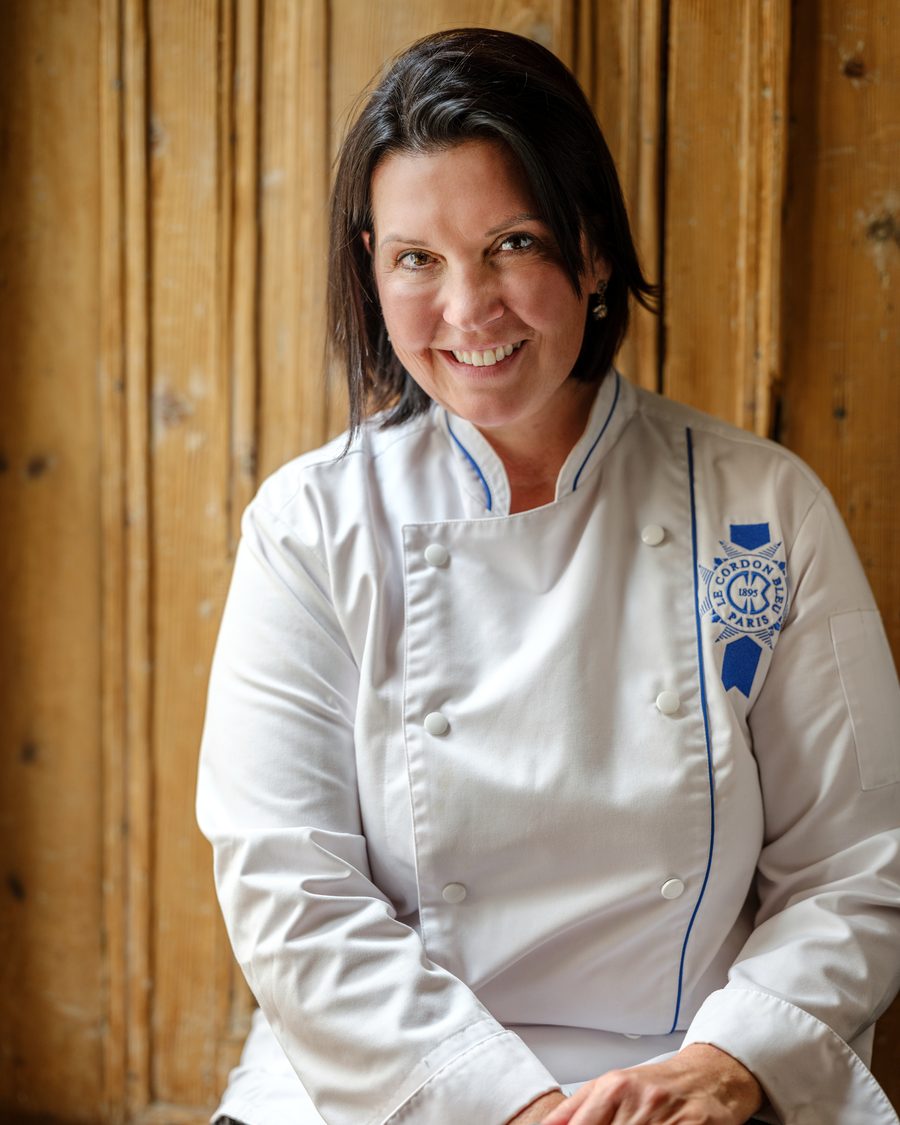
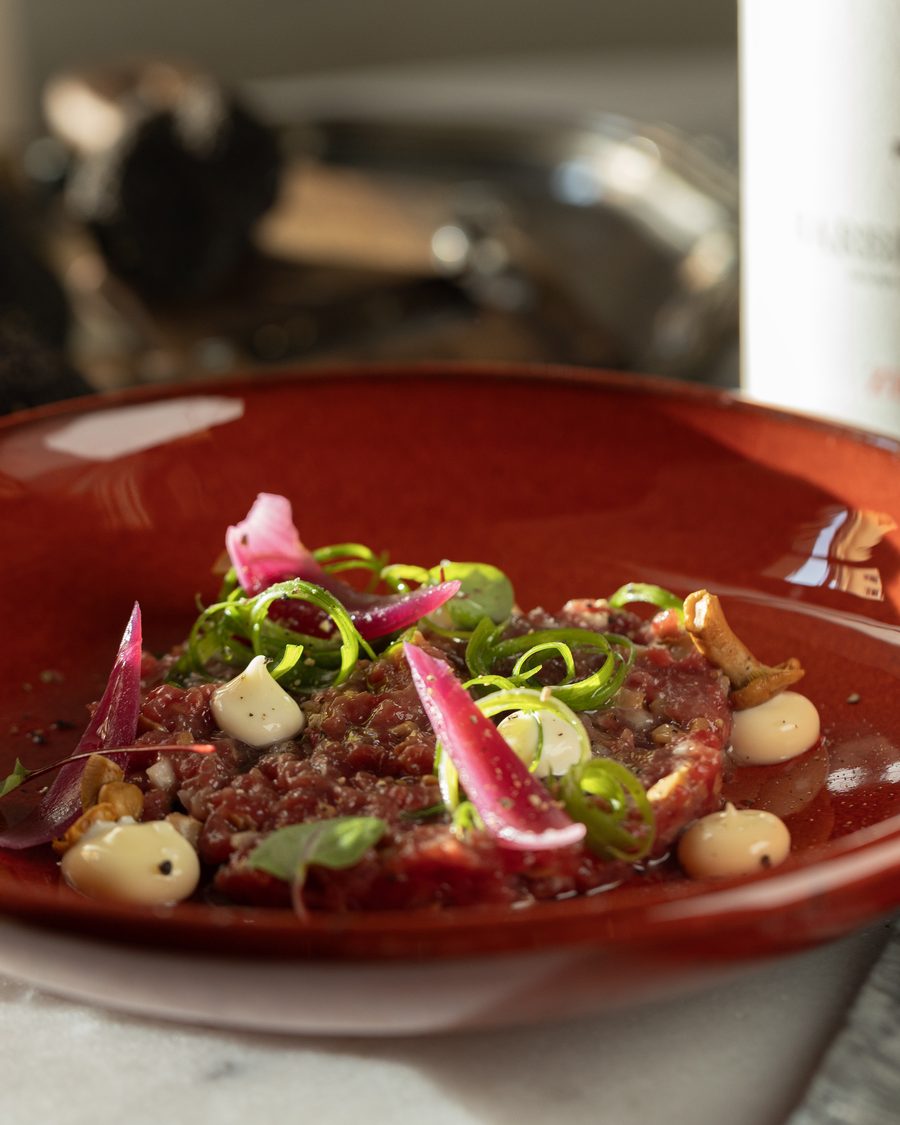
- A chef-led fish restaurant: Monika Turasiewicz’s own Polish and Mediterranean cooking, on numbered menus that change with the season. She’s my mother; my father runs the wine list, with bottles poured nowhere else in Poland. Michelin Guide, Gault & Millau, Wine Spectator.
- Who it’s for
- Visitors looking for a serious dinner in Kraków, people who follow food and wine, Kraków regulars, and business lunches.
- The house rule
- Premium and warm, never casual or meme-like. Nothing goes out until the chef has seen it.
Close to 3 times the pace of the year before.
Weelink started in December 2025. Over the same number of days just before 2026, Farina’s Instagram gained about 2,100 followers. In 2026 so far it has gained 5,937. Views passed half a million this year, across the accounts.
2025 average: about 220 new followers a month
Summer was the strongest stretch: May, June and July each brought in more than 900. Every month of the year has run above the old average.
The menu sets the calendar.
Farina’s menus are numbered, and in season a new one opens about once a month. Each opening is a premiere, and the rest of the plan hangs off it. The season sets the message, the quarter fixes the premieres, and each week decides which reel goes out on which day.
2 reels a week go out on Instagram, Facebook and TikTok. Each one comes back as a story 2 days later, timed so the story lands on a Tuesday, the slowest night of the week.
Everything on the feed is about 1 of 5 things:
The plan lives in a private workspace I built on weelink.ai: the calendar, the briefs and the raw material in one place. The owners and everyone working on the account sign in with their own code, and when a date moves, it gets moved there.
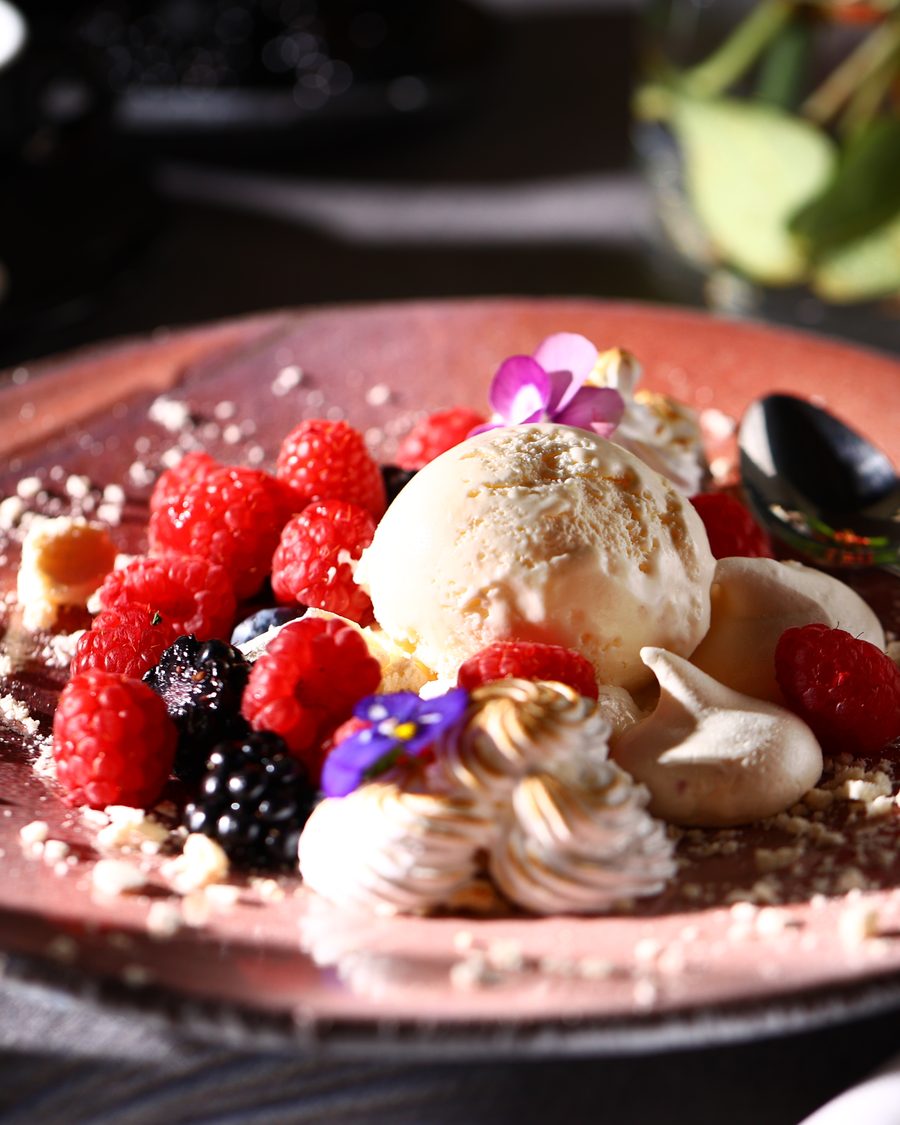
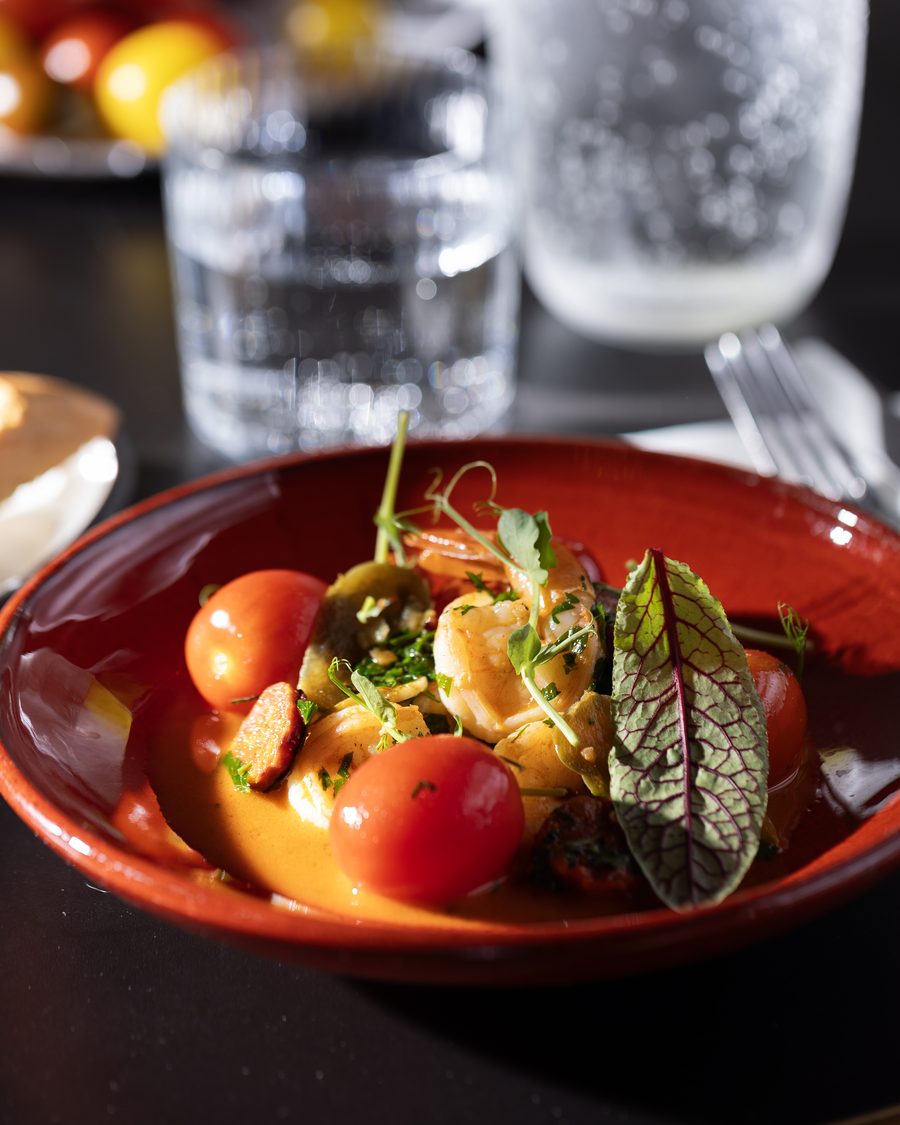
1 shoot day fills a month.
Every shoot starts with a brief: the reels in priority order, the shots each one needs, the light and the mood. If the day runs short, the top of the list is already done. 6 reels are core and always run. 2 more are flex and go in if the footage is there.
After the shoot come the captions, then the chef’s sign-off, then the posting.
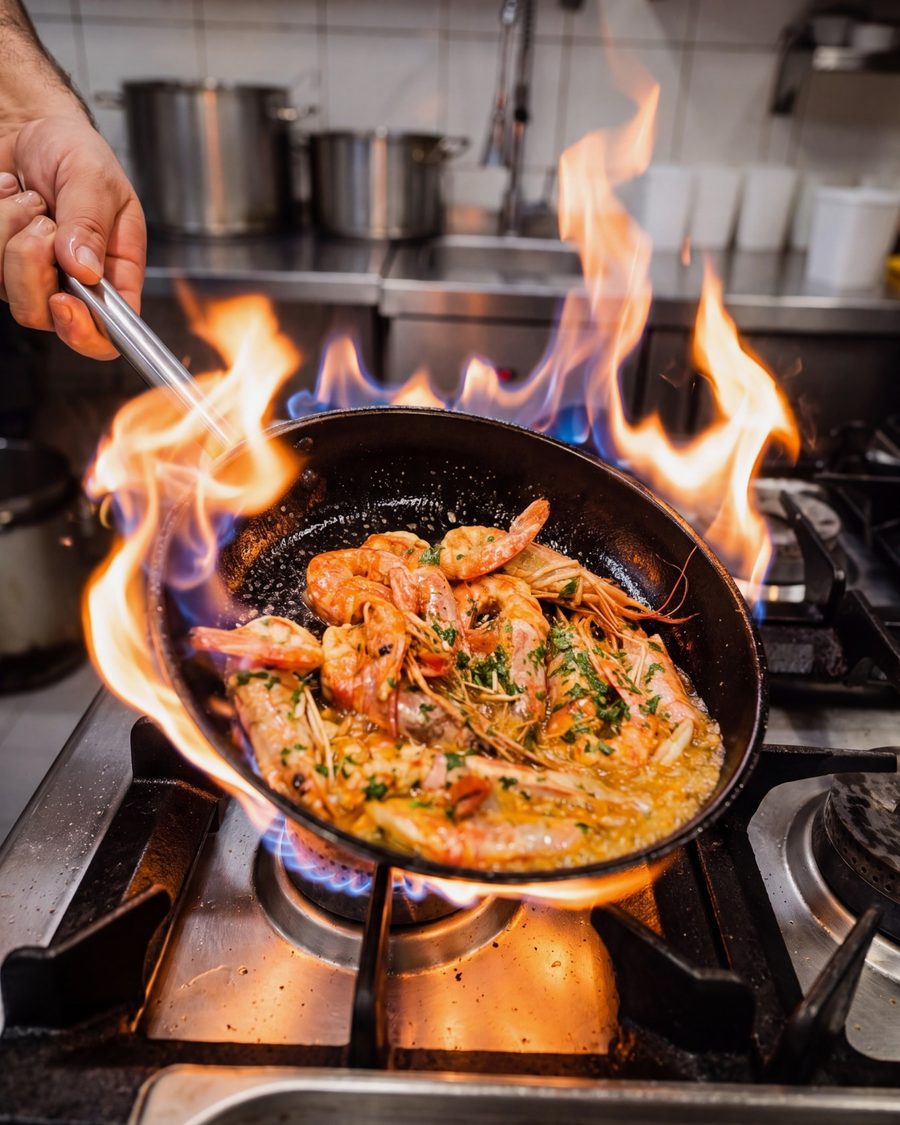
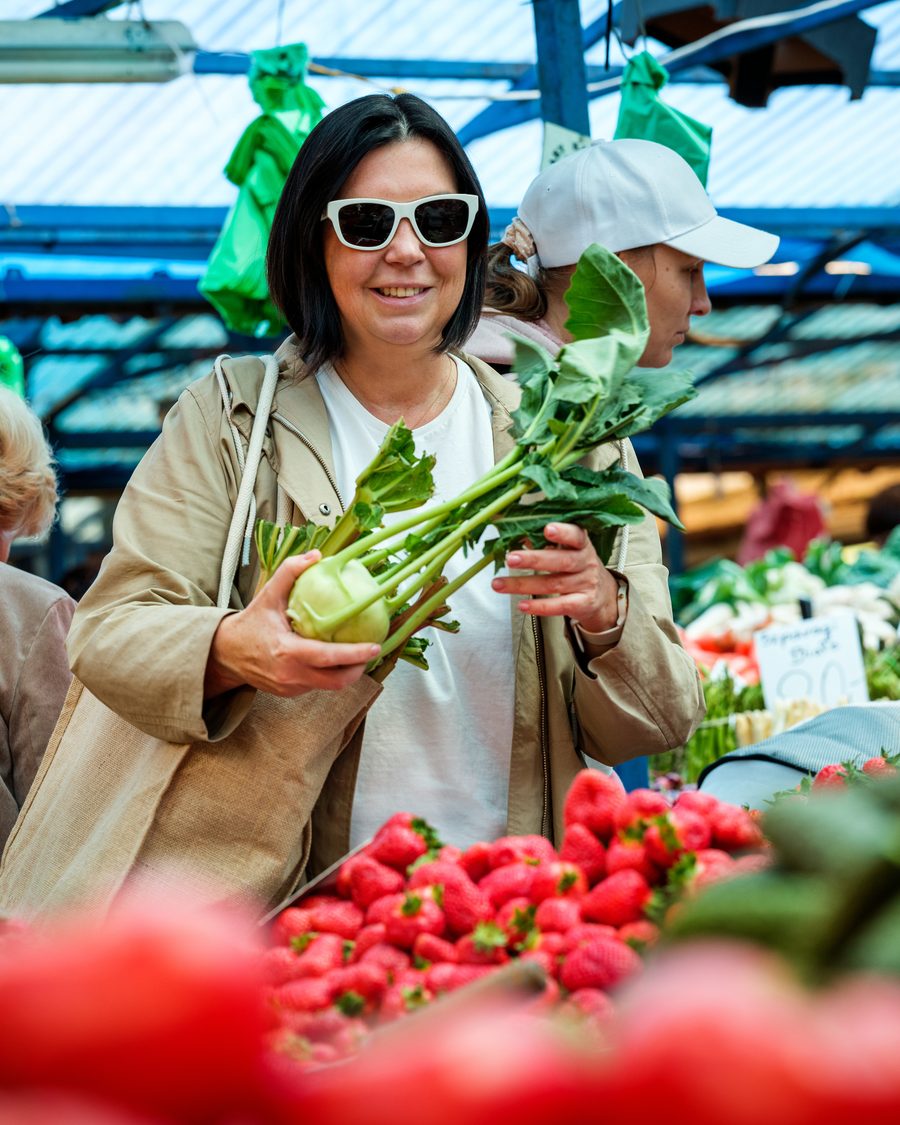
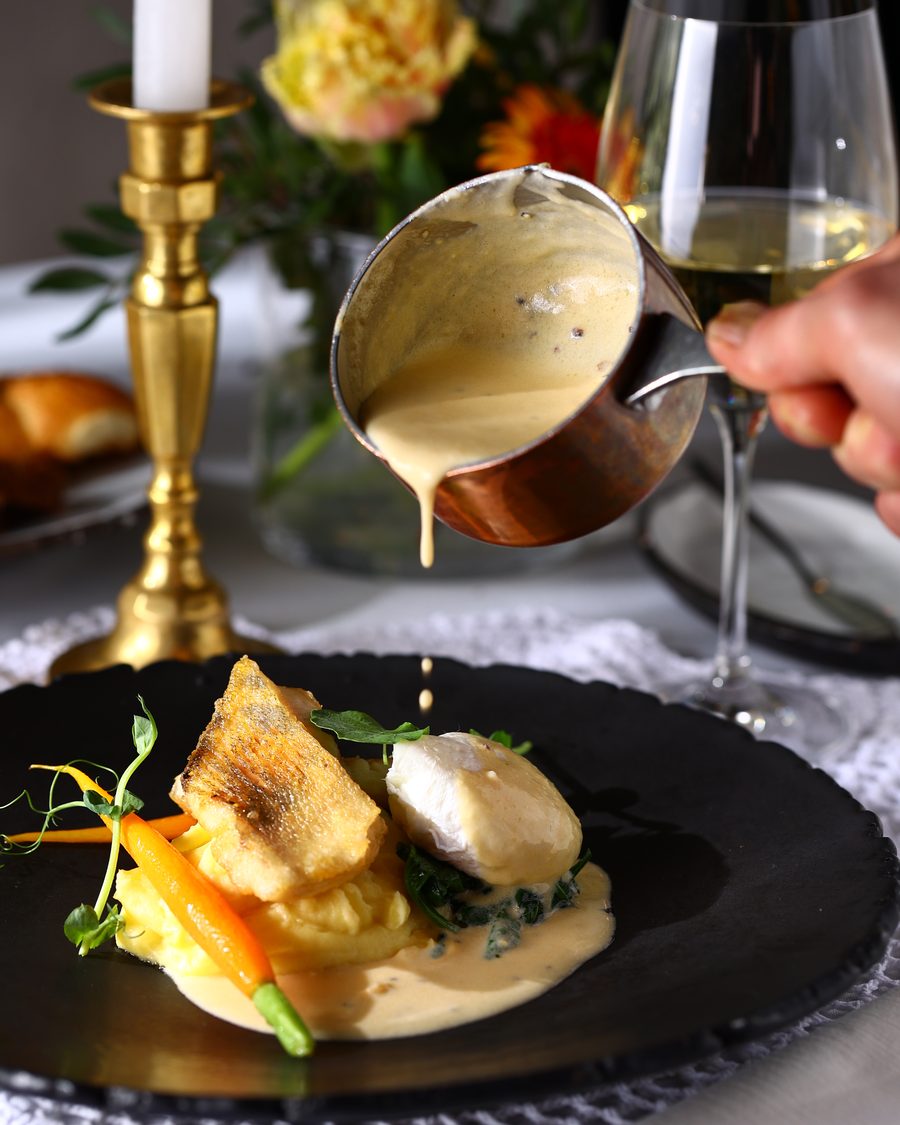
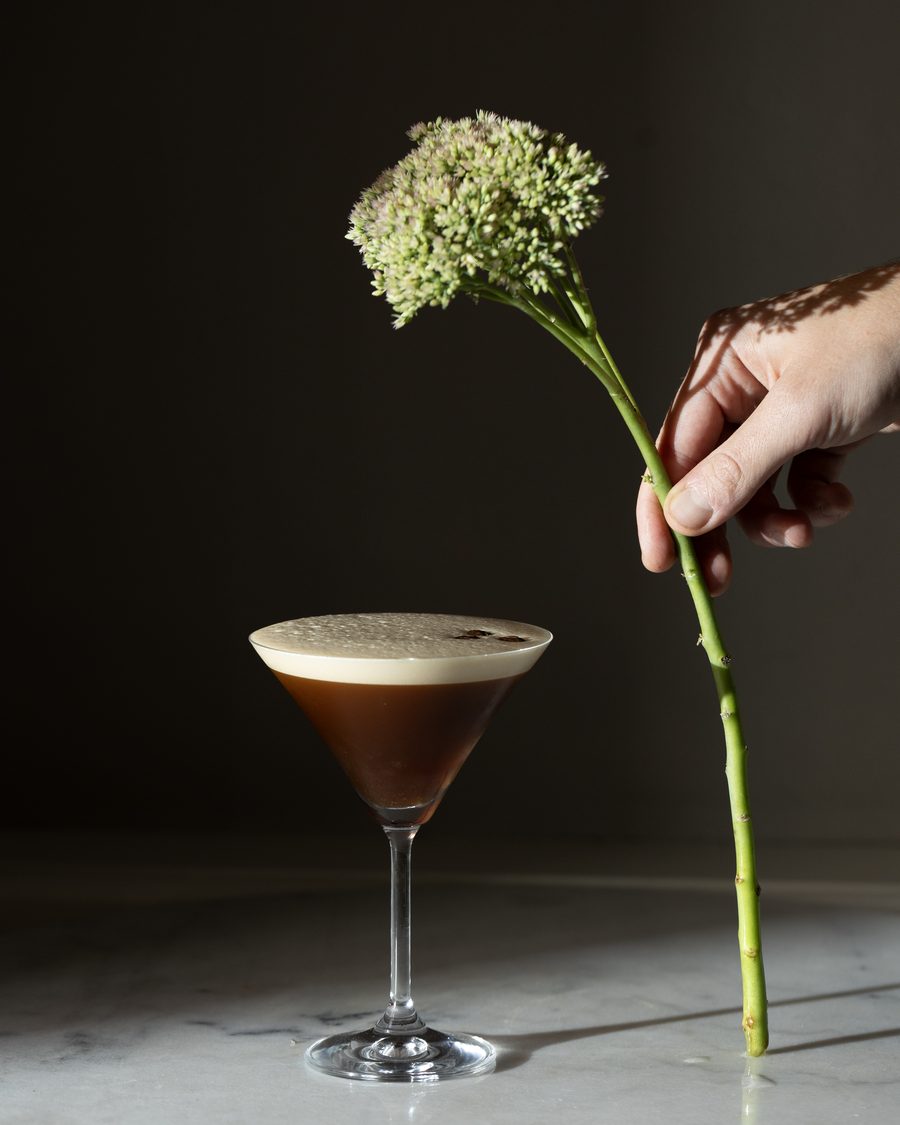
Meta found 1 reel it liked and stopped looking.
From 4 August, 1 campaign sent people to the reservation page, aimed broadly at 27 to 60-year-olds within 15 km of Kraków. In 6 weeks it reached 145,000 people, about 2 times each, and brought close to 13,000 visits to the page at a 5.8% click-through rate. But Meta put 93.5% of the budget behind 1 atmosphere reel. Most of the others got about 1,000 impressions each, which isn’t a test.
So September’s test was built with the reels as the only variable. Meta’s duplicate dialog arrives with 5 recommendations already ticked: a wider audience, automatic placements, AI edits to the creative, a bigger area and music added to the reels. I unticked all 5, because each one would have changed more than the reels.
The rules the test runs on:
Count tables, not clicks.
The campaign optimises for visits because there’s no reservation for it to learn from yet, and a visit says nothing about a table. Meta ranks the ads in its bottom 20% for conversion: people arrive and don’t book. Next, the pixel and the Conversions API go on the booking confirmation, so the ads can learn which visit turned into a dinner. Only then does a campaign built around reservations make sense.
Before that comes retargeting: people who visited the site, watched half a reel, or engaged with the account in the past year. And 2 or 3 new reels a month, so no single reel has to carry a campaign for 6 weeks again.